
News
26 items found, showing page 2 of 3
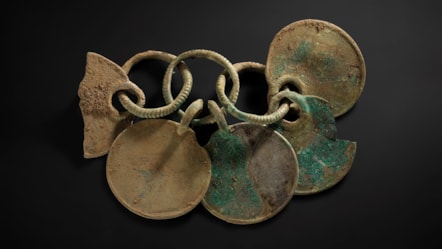
Unique Bronze Age Hoard acquired for the nation
One of the most significant hoards ever found in Scotland has been saved for the nation, having been acquired by National Museums Scotland. The Bronze Age Peebles Hoard was discovered in the Scottish Borders by a metal detectorist in 2020. It has since been painstakingly excavated, analysed and catalogued, revealing dozens of rare objects for the first time. Efforts are now underway to secure funding for the continued research and conservation of the hoard and to uncover the secrets of this one-of-a-kind discovery.
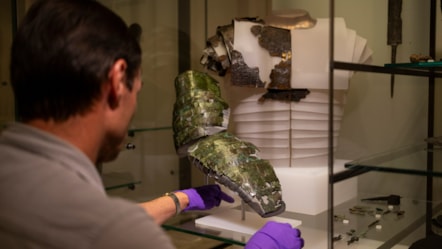
Rare Roman armour goes on permanent display at the National Museum of Scotland
An exceptionally rare piece of Roman armour which was recently reconstructed from dozens of fragments has gone on display in its entirety for the first time in Scotland.
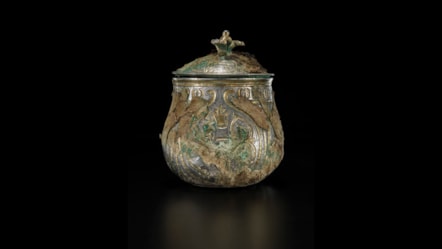
Distant origin of star object from the Galloway Hoard revealed ahead of its first public display
On the 10th anniversary of its discovery, new research and conservation has revealed the West Asian origin of the lidded vessel which contained many of the unique treasures that comprise the Viking-age Galloway Hoard, and which will go on public display for the first time later this month.
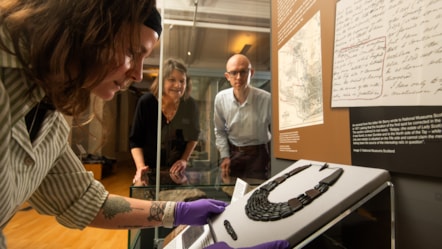
Bronze Age jewellery restored for the first time in thousands of years
An early Bronze Age necklace and bracelet have been painstakingly restored by experts at National Museums Scotland. The jewellery will be seen in its original form for the first time in over 4000 years when it goes on display at The McManus: Dundee’s Art Gallery & Museum this September, to coincide with Scottish Archaeology Month.
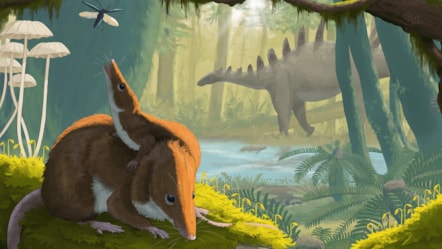
Fossil discovery reveals mammals grew more slowly in the Jurassic than they do today
Two unique Jurassic fossil discoveries from the Isle of Skye have shown that mammals in the time of the dinosaurs grew more slowly and lived longer than mammals today.
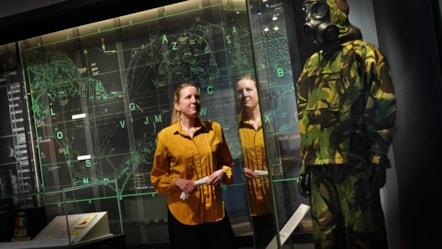
Scotland’s nuclear secrets revealed in new exhibition
Cold War Scotland
13 July 2024 to 4 January 2026
National Museum of Scotland, Chambers Street, Edinburgh
Admission: Free
nms.ac.uk/ColdWarScotland
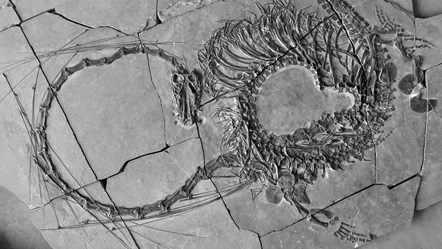
Palaeontologists reveal a 240-million-year-old ‘Chinese Dragon’
An international team of scientists have described new fossils of Dinocephalosaurus orientalis - a five-metre-long aquatic reptile from the Triassic period of China, dating to around 240 million years old.
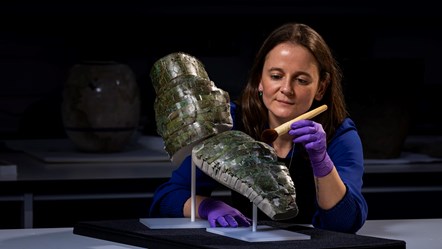
Ancient jigsaw puzzle is solved as rare Roman armour is reconstructed ahead of major exhibition
An exceptionally rare piece of Roman armour from National Museums Scotland’s collection has been painstakingly reconstructed from dozens of fragments. Dating from the middle of the second century, the brass arm guard will be seen in its entirety for the first time in almost 2000 years when it goes on loan to the British Museum for the major exhibition Legion: life in the Roman army next month.
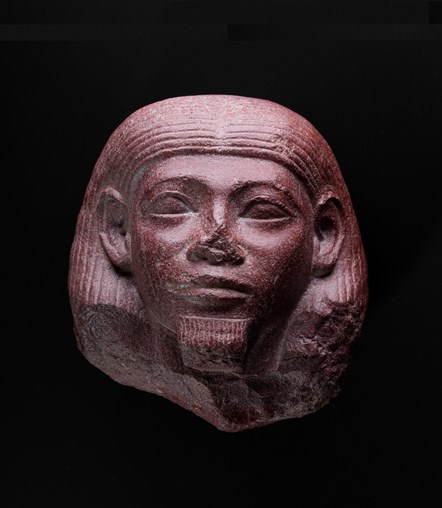
Story of ancient Egyptian objects unearthed in Fife over a 30-year period published for the first time
The story of the remarkable discovery of a group of Egyptian objects uncovered at Melville House in Fife between 1952 and 1984 is being told in full for the first time in an article published in the upcoming Proceedings of the Society of Antiquaries of Scotland.
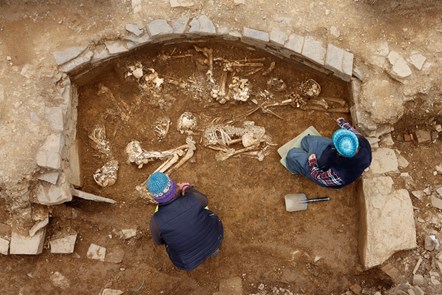
5000-year-old tomb discovered in Orkney
Archaeologists have discovered the ruins of an incredibly rare 5000-year-old Neolithic tomb that was largely destroyed without record in the 19th century.

First recorded stranding of a short-finned pilot whale in the UK reported
A new study of a whale which stranded off the Pembrokeshire coast in 2012 has revealed it to be the first short-finned pilot whale ever to be found in British waters.
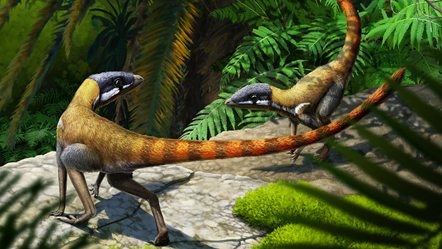
Triassic specimen found to be early relative of pterosaurs a century after its discovery
A new study of a tiny Triassic fossil reptile first discovered over 100 years ago in the north east of Scotland has revealed it to be a close relative of the species that would become pterosaurs – iconic flying reptiles of the age of the dinosaurs.